
big led mirror
Understanding Water Valve Types A Comprehensive Guide Water valves are essential components in plumbing and fluid control systems. They regulate the flow, pressure, and direction of liquids, ensuring systems operate efficiently and safely. With various types of water valves available, understanding their functions, applications, and characteristics is crucial for effective selection and maintenance. In this article, we delve into the different types of water valves and their specific uses. 1. Gate Valves Gate valves are primarily used for on/off control of water flow. They operate by raising and lowering a gate or wedge within the valve body. When fully open, these valves provide minimal resistance to flow, making them suitable for applications where full flow is needed. However, gate valves are not ideal for throttling, as partially opening them can cause erosion and damage to the gate. Common applications include water supply systems, irrigation, and fire protection systems. 2. Globe Valves Globe valves are designed for throttling and flow regulation. Their spherical body shape and internal baffle allow for better control of flow when the valve is partially open. Globe valves are known for their reliability and durability in terms of performance. They are often used in applications like water treatment plants, heating systems, and chemical processing where flow control is essential. 3. Ball Valves Ball valves are favored for their quick and reliable operation. They utilize a spherical disc (the ball) that rotates within the valve body to either allow or block flow. The design of the ball valve provides a tight seal, minimizing the risk of leakage when closed. They are commonly used in residential plumbing, irrigation systems, and industrial applications due to their durability and ease of use. 4. Butterfly Valves water valve types Butterfly valves are lightweight and compact, making them ideal for large pipes and systems requiring a significant flow control. They consist of a disc that pivots on a shaft, allowing for quick opening and closing. The unique design enables better flow control while minimizing pressure loss. Butterfly valves are commonly found in water distribution systems, wastewater treatment facilities, and HVAC applications. 5. Check Valves Check valves are essential for preventing backflow in piping systems. They allow fluid to flow in only one direction, closing automatically when the flow reverses. This function is critical in preventing contamination and pump damage in various applications. Check valves are widely used in irrigation systems, waste management, and water supply networks. 6. Pressure Relief Valves Pressure relief valves are crucial for protecting systems from pressure surges. They automatically release excess pressure when it exceeds a predetermined level, preventing potential damage to pipes and equipment. These valves are extensively used in boiler systems, industrial process control, and water heating applications, ensuring safety and stability within the system. 7. Solenoid Valves Solenoid valves are electrically operated valves used in automated systems. They utilize an electromagnetic solenoid to open or close the valve, allowing for precise control over fluid flow. These valves are commonly employed in irrigation systems, beverage dispensing machines, and industrial automation processes. Their ability to operate remotely makes them highly efficient for modern applications. Conclusion Choosing the right type of water valve is essential for optimizing the performance and reliability of plumbing and liquid control systems. Each valve type offers unique advantages and specific applications, making it crucial to understand their functions and characteristics. Proper selection and maintenance of valves not only enhance system efficiency but also play a significant role in preventing leaks and ensuring the safety of the entire system. Whether for residential, commercial, or industrial use, an informed choice in water valves contributes to sustainable and effective water management practices. By familiarizing yourself with these various types of valves, you can make better decisions that align with your needs and operational requirements.
about
big led mirror
How to Change a Main Water Valve Changing a main water valve may seem like a daunting task, but with the right tools and instructions, it can be accomplished by a homeowner with basic plumbing knowledge. The main water valve is essential for controlling the water supply to your entire house, making it crucial to ensure it is functioning properly. Here’s a step-by-step guide on how to change your main water valve safely and effectively. Tools and Materials Needed Before starting the process, ensure you have the following tools and materials 1. Pipe Wrench For loosening and tightening connections. 2. Adjustable Wrench Useful for securing fittings. 3. Screwdrivers Both flathead and Phillips for any screws present. 4. Teflon Tape For sealing threaded connections. 5. Basin Wrench If the valve is in a tight location. 6. Replacement Valve Ensure you have the correct size and type based on your current valve. 7. Bucket To catch any residual water when you remove the old valve. 8. Safety Goggles and Gloves For protection during the process. Step 1 Locate the Main Water Valve The first step is to locate your main water valve. It is typically found near where the water line enters your home, often in the basement, crawl space, or on an exterior wall. The valve may look like a round wheel or a lever. Familiarizing yourself with its location is important, as you will need to turn it off before replacing it. Step 2 Turn Off the Water Supply Once you’ve found the valve, turn it off by rotating it clockwise. If it’s a lever valve, simply turn the lever perpendicular to the piping. This action will stop the flow of water into your home. To verify that the water is off, turn on a faucet in the house and ensure that there is no water flow. Step 3 Drain the Pipes After shutting off the main water valve, it’s necessary to drain any remaining water from the pipes. Open the lowest faucet in your home to allow air into the system, which will help drain the remaining water out. Placing a bucket underneath the valve can help catch any water that spills during the removal process. how to change main water valve Step 4 Remove the Old Valve Using the pipe wrench, begin loosening the nuts that secure the main water valve to the pipes. If the valve is rusty or stuck, you may need to apply penetrating oil and allow it to sit for a while before attempting to loosen it again. Be careful to hold the pipe securely to avoid damaging it. Once the nuts are loosened, remove the old valve completely. Step 5 Install the New Valve Before installing the new valve, wrap the threaded ends of the pipe with Teflon tape. This will help create a watertight seal and prevent leaks. Next, position the new valve in place and hand-tighten the nuts to secure it. After ensuring it's correctly aligned, use the adjustable wrench to further tighten the connection. Be cautious not to overtighten, as this can damage the valve or pipes. Step 6 Turn the Water Supply Back On Once the new valve is securely in place, return to the main water valve and turn it back on by rotating it counterclockwise or moving the lever back to its original position. After turning it on, check for leaks around the new valve and the connections. If you notice any leaking, you may need to tighten the connections slightly. Step 7 Test the System With the new valve installed and no leaks detected, test the system by turning on several faucets throughout your home. This will help you ensure that the water is flowing correctly and that there are no air pockets. If the water pressure is inconsistent or if you note any issues, you may need to further troubleshoot your plumbing system. Conclusion Changing a main water valve can be a straightforward task if you approach it methodically and with the right tools. Regular maintenance of your plumbing system, including the main water valve, can prevent significant issues down the line. If at any point you feel unsure or encounter difficulties, consider consulting a professional plumber to ensure the work is completed safely and effectively. Remember, taking proactive steps can save you time and money in the long run.
-

High quality industrial productsagement

High quality industrial products
View Details -

Meet the diverse needs of customers

Meet the diverse needs of customers
View Details -

Strict quality control

Strict quality control
View Details -

Top raw materials

Top raw materials
View Details -

Trusted supplier

Trusted supplier
View Details
Our application

news and information
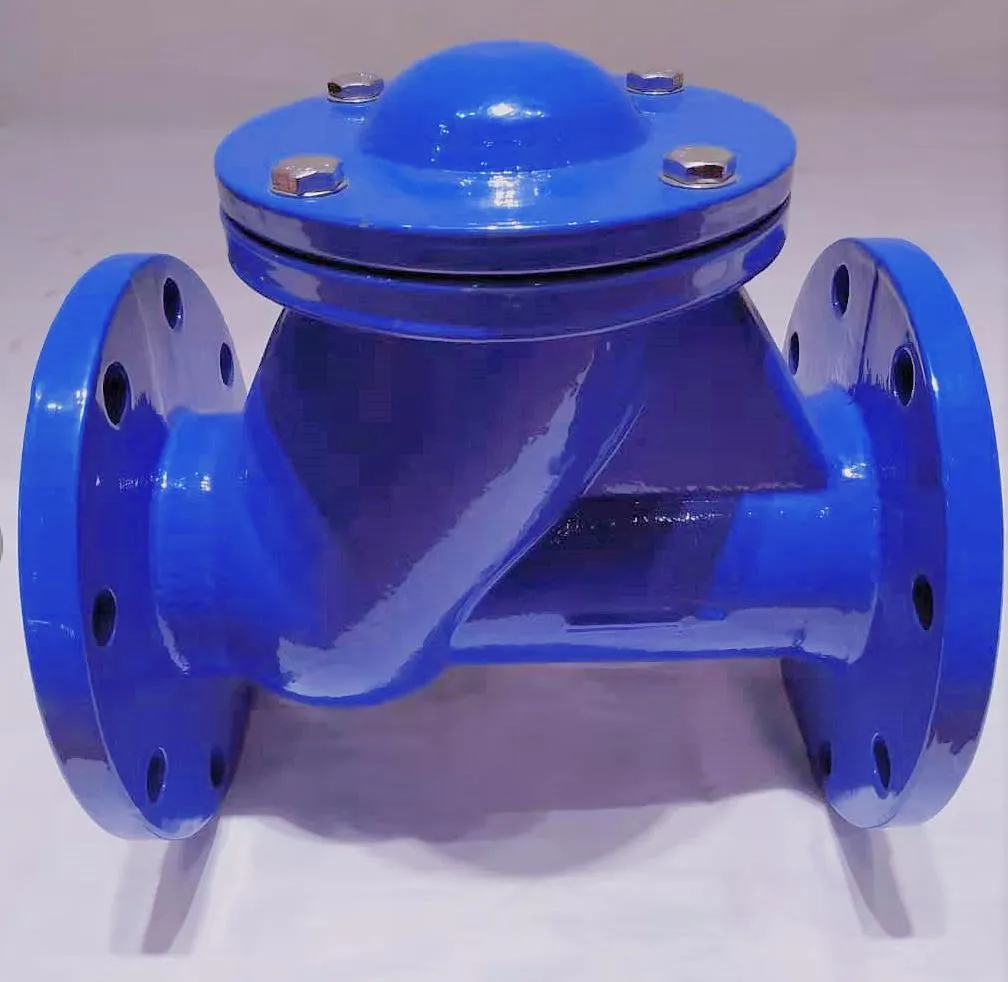
water valve
Understanding Water Valves A Key Component in Fluid Control Systems Water valves are crucial compone
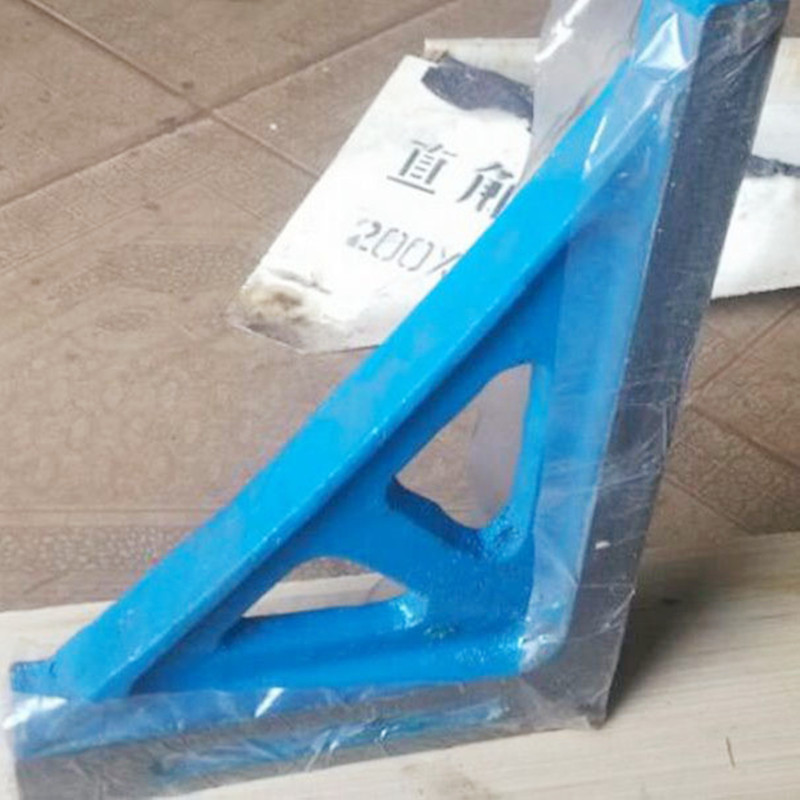
valvole ad acqua accese o spente
Valvole dell'Acqua Accese o Spente? Nel mondo moderno, l’acqua è una risorsa preziosa e limitata. La
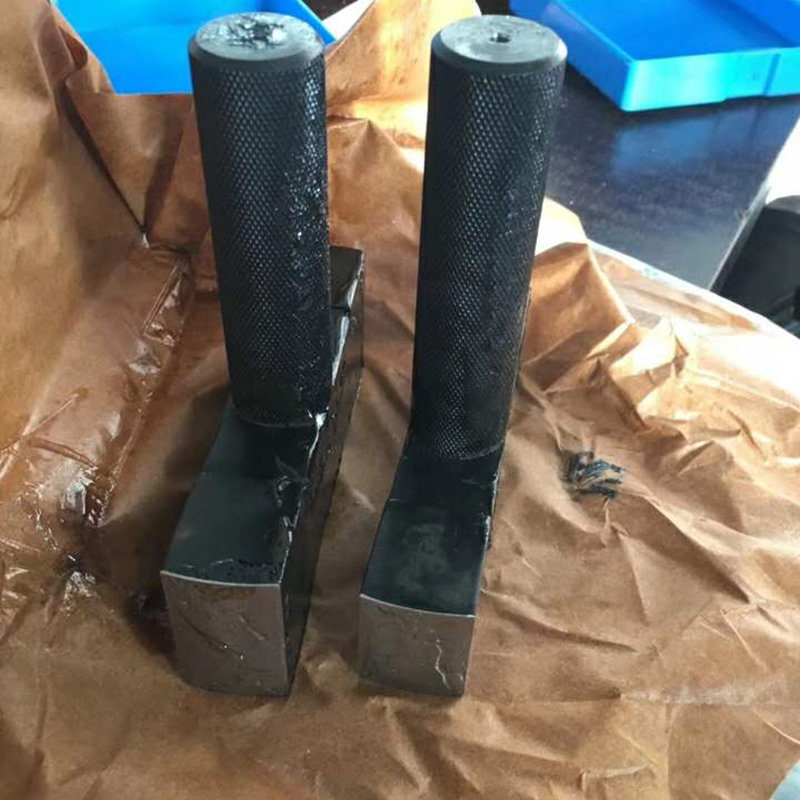
Vee Blocks Available for Purchase at Competitive Prices
Exploring Vee Blocks for Sale A Comprehensive Guide In recent years, the construction and logistics
 English